
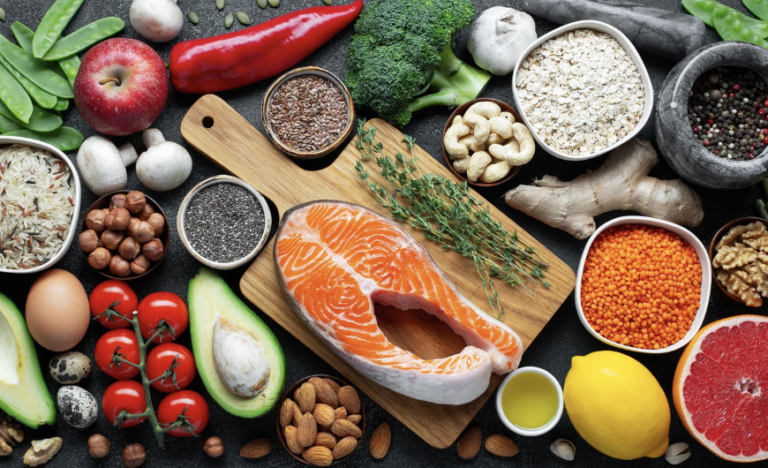
Optimal nutrition is fundamental for sustaining spinal health and mitigating spinal disorders. A balanced diet, rich in specific nutrients, can fortify spinal bones, enhance disc health, and reduce inflammation, which often contributes to spinal pain and discomfort.
Calcium and vitamin D are paramount for bone density and strength, and vital for a robust spine. Dairy products, fortified cereals, leafy greens, and fatty fish like salmon and mackerel are excellent sources of these nutrients. Magnesium, another critical mineral for bone health and muscle function, is abundant in nuts, seeds, legumes, and whole grains.

Hydration plays a crucial role in maintaining the elasticity and flexibility of spinal discs, acting as shock absorbers between vertebrae. Adequate water intake ensures these discs remain hydrated and function effectively.
Omega-3 fatty acids, known for their anti-inflammatory properties, are beneficial in managing spinal inflammation. Foods rich in omega-3s, such as flaxseeds, chia seeds, walnuts, and oily fish, should be integral parts of a spine-friendly diet.
Antioxidant-rich foods like berries, dark chocolate, and green tea can combat oxidative stress, potentially reducing the risk of chronic spinal conditions.
Incorporating these nutritional principles not only supports spinal integrity but also enhances overall well-being. A deliberate focus on nutrition can be a powerful strategy in preserving spinal health and ensuring the spine’s optimal function throughout life.


